

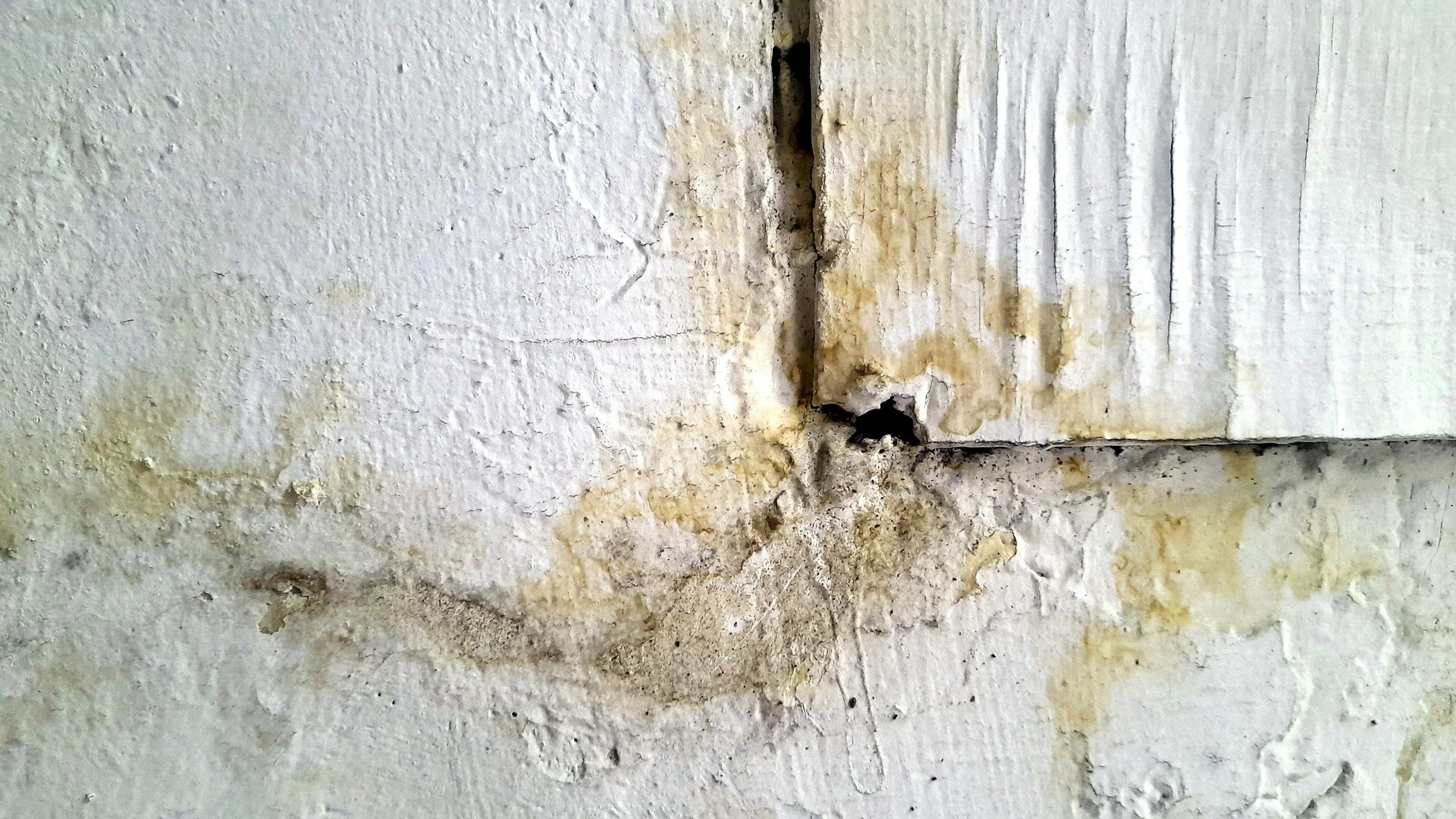
How to be Inspection Ready: Actions to take pre-inspection
Client Preparation
Proper preparation helps ensure accurate results and a smooth inspection process. Please review the following requirements before your scheduled appointment.
Before Any Inspection
Secure all pets
Provide access codes, keys, on-site representative, or lockbox information
Avoid cleaning or wiping surfaces within 48 hours of the inspection
Ensure safe, unobstructed access to all rooms, basements, attics, and exterior areas
Before Clearance Certification
All remediation or abatement work must be fully completed
Wait at least one hour after work is finished before clearance testing begins
Retain all invoices, receipts, and documentation
Some remediation expenses may qualify under IRS Publication 502 (Medical Expenses)
Post‑Inspection Outcomes and Expectations for Lead Risk Assessments and Clearances
What to expect immediately after inspection
Verbal summary: The inspector will provide a concise verbal summary of initial findings at the completion of the on‑site inspection, including potential lead hazards observed and any urgent health or safety concerns.
Timeline for report delivery: You will receive the full written Lead Investigation Report and/or Risk Assessment within the timeframe stated at scheduling (typically 3–7 business days, depending on scope and sample analysis). If samples were submitted for laboratory analysis, results may require additional days; the report will note any pending lab results.
Documentation provided: The delivered package will include EPA/HUD‑compliant inspection results, photographs, paint chip and dust sample records, floor plans or marked diagrams indicating sample and hazard locations, and recommended actions.
Understanding the written report
Findings summary: Clear identification of lead‑bearing materials, locations, concentration levels (as measured), and characterization of hazards (e.g., intact lead paint vs. deteriorated paint, lead‑contaminated dust, soil contamination).
Risk determination: A professional evaluation of occupant risk based on exposure pathways (ingestion, inhalation), occupant vulnerability (children, pregnant persons), and condition of lead‑containing materials.
Prioritization and recommendations: A prioritized list of required and recommended actions—immediate interim controls, short‑term repairs, maintenance practices, and whether full abatement or specialized remediation is advised.
Regulatory context: Statements on compliance and regulatory thresholds referenced (EPA/HUD standards), and whether the property meets clearance standards at the time of inspection.
Post‑inspection actions for property owners or managers
Immediate measures: Steps to reduce exposure (restrict access to affected areas, implement lead‑safe housekeeping, remove shoes indoors, wash hands, cover bare soil, etc.) until remediation or clearance testing is completed.
Contractor selection: Guidance to hire certified lead abatement or renovation contractors experienced with EPA/HUD protocols; request proof of contractor certification and a written work plan that references lead‑safe work practices.
Work oversight: Recommendation to arrange for on‑site project oversight by a qualified individual and to maintain copies of all work documentation, waste manifests, and disposal receipts.
What clearance inspection involves
Purpose: Clearance testing verifies that the work area meets acceptable levels of lead in dust and surfaces following repairs, interim controls, or abatement—ensuring the space is safe for re‑occupancy.
Timing: Clearance inspection is performed only after the licensed contractor declares the work complete and the site is clean and dry, and any agreed curing times for encapsulants or repairs have elapsed.
Methods: Visual assessment followed by surface dust sampling (wipe samples) and possible soil or paint sampling as needed. Sampling locations are selected according to EPA/HUD protocols and the original risk assessment findings.
Who performs it: Clearance must be conducted by an independent, trained inspector or risk assessor who did not perform the abatement work.
Expected clearance outcomes and report contents
Pass: A “Pass” clearance report will state that all sampled surfaces meet EPA/HUD clearance levels. The report includes sample locations, lab results, photographs of sampled areas, and an overall statement allowing re‑occupancy or resuming normal use of the space.
Fail: A “Fail” clearance indicates one or more samples exceed regulatory limits. The report will identify failing locations, contaminant levels, and recommend targeted cleaning, rework, or additional abatement. The contractor must re‑clean or re‑remediate and schedule repeat clearance testing.
Follow‑up testing: Multiple rounds of cleaning and retesting may be required. Expect progressively focused cleaning/remediation on failing zones until clearance criteria are met.
Turnaround and recordkeeping
Report delivery: Clearance reports are issued promptly after lab analysis is complete (typically 1–3 business days for lab results). Electronic and/or printed copies will be provided for your records.
Retention: Maintain all inspection, risk assessment, abatement, and clearance documentation for regulatory compliance and future property transactions. These records support due diligence and tenant safety.
Health and legal implications
Occupant safety: Clearance passing is a key confirmation that children and vulnerable occupants are protected from lead exposure in the cleared areas.
Disclosure obligations: Lead inspection and clearance documentation may be required for real estate transactions, rentals, or municipal inspections. Failure to obtain required clearances after work could carry legal or regulatory consequences.
How Kauffman ELIS supports you
EPA/HUD compliance: We perform inspections, risk assessments, and clearances according to federal guidelines and provide comprehensive, easy‑to‑understand reports.
Clear next steps: Our reports include prioritized action plans and practical recommendations to achieve clearance and protect occupants.
Ongoing assistance: We can advise on contractor selection, scope of remediation, and re‑inspection
PA Licensed Lead Risk Assessor (PA DOLI 006181)
IMPC 2015 Certified
Health Homes Specialist, credentialed via NEHA
PA‑certified Municipal Health Officer, though not currently appointed